Your Melbourne Beach Second Home Guide
June 25, 2026
June 25, 2026
Thinking about owning a beach place you can actually use, enjoy, and hold for the long term? Buying a second home in Melbourne Beach can be exciting, but it also comes with a different set of rules than buying your primary residence. If you want a clearer picture of taxes, rental limits, storm planning, and what to watch before you close, you’re in the right place. Let’s dive in.
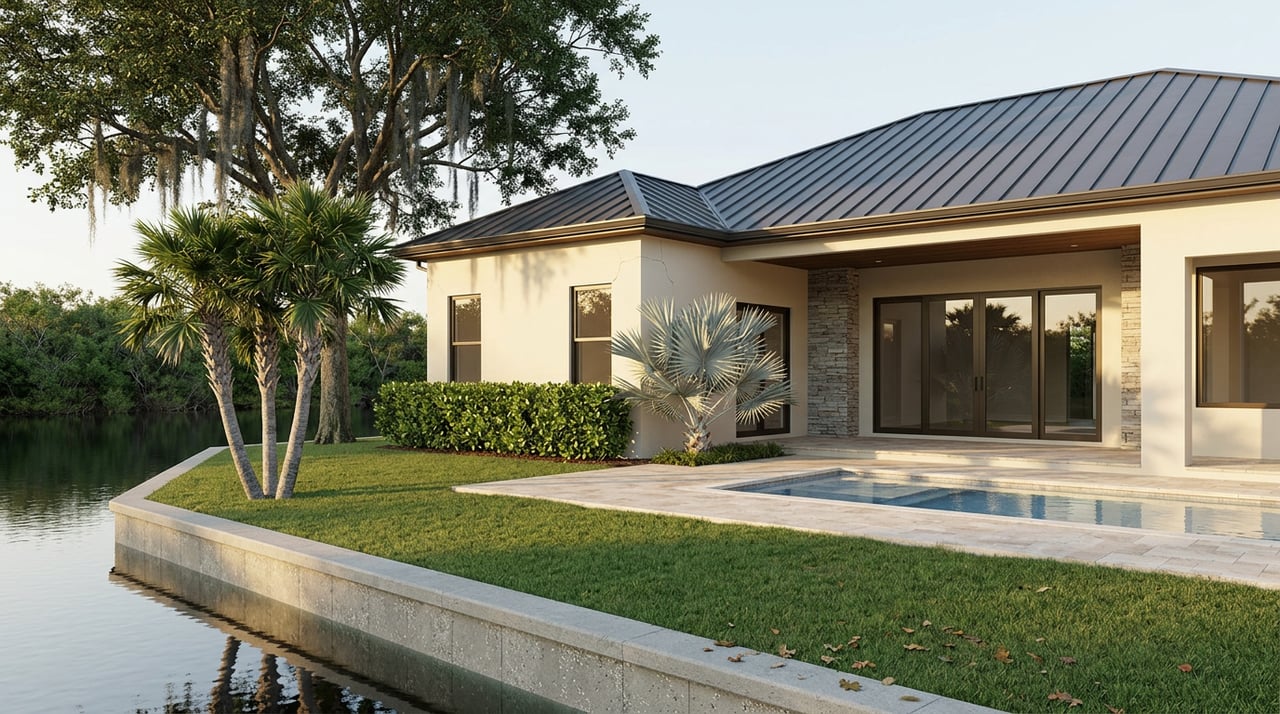
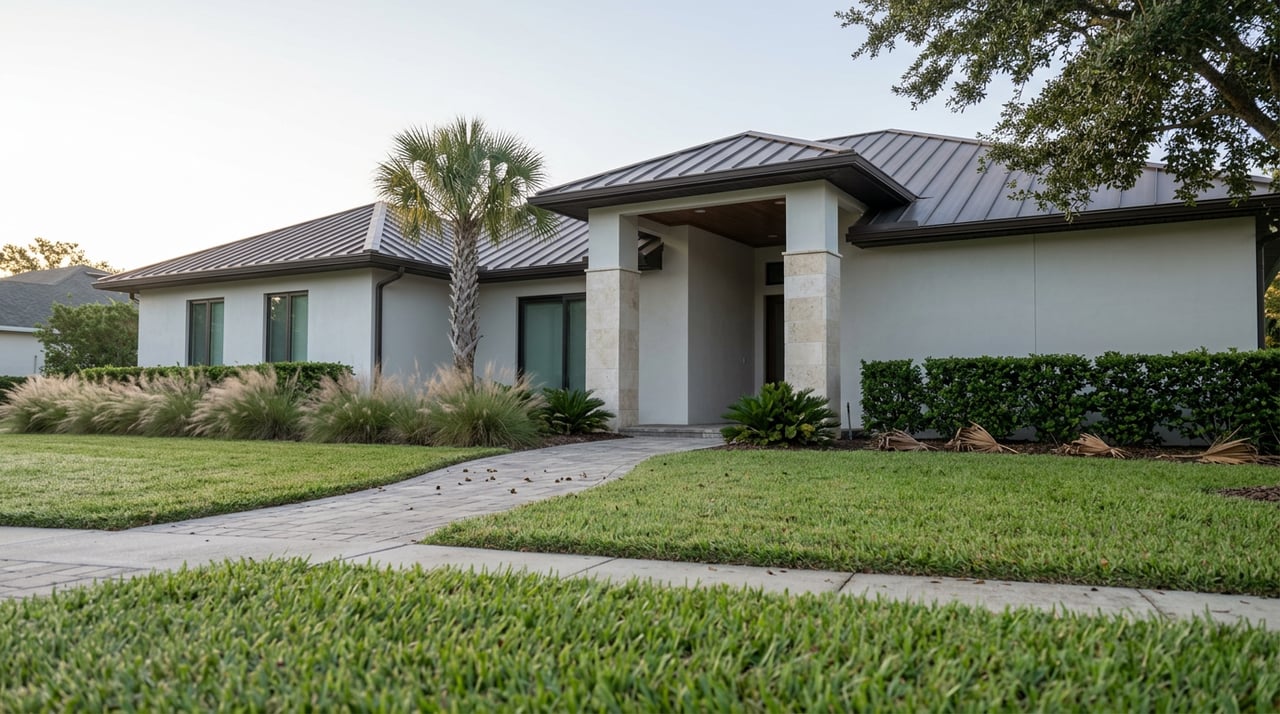
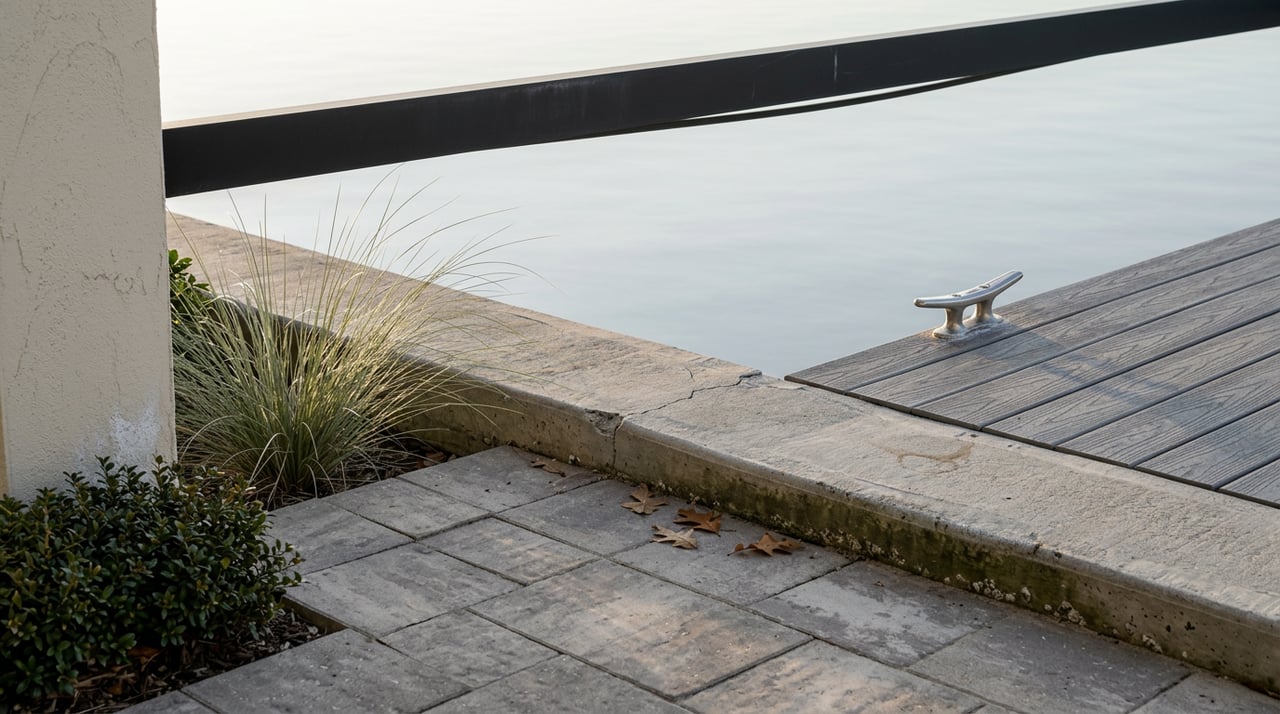
Melbourne Beach sits on a barrier island, with the Atlantic Ocean on one side and the Indian River Lagoon on the other. That setting gives you the kind of coastal access many second-home buyers want, along with a compact residential feel.
The town’s planning documents also show that Melbourne Beach is about 99% built out and predominantly residential. In simple terms, that means supply is limited, and many buyers will spend more time comparing existing homes, condos, and renovation opportunities than waiting for new construction to appear.
Public beach access is available at several points and at Ocean Park. For many buyers, that blend of water access and an established residential setting is a big part of the appeal.
A second home is not treated the same way as a primary residence. In Melbourne Beach, that affects how you should think about property taxes, financing, insurance, and even your future resale plan.
Because this is a barrier-island location, hurricane readiness and flood planning are part of normal ownership. The town’s comprehensive plan states that the entire population would require evacuation during a hurricane or disaster, so it is smart to treat emergency planning as part of your purchase decision, not as an afterthought.
If you are buying a second home in Melbourne Beach, you should not assume you will receive the same tax benefits as an owner-occupied primary residence. In Florida, the homestead exemption applies when a property is your permanent residence.
That matters because a second home generally does not meet that permanent-residence standard. Florida’s homestead exemption can reduce taxable value by as much as $50,000, but that benefit is tied to permanent residency.
Brevard County also separates homesteaded and non-homesteaded property for assessment purposes. The Save Our Homes cap applies to homesteaded properties and limits annual assessment increases to 3% or CPI, whichever is lower, while non-homestead property is generally limited to 10% annual assessed-value increases.
Some buyers purchase a home as a second home first, then convert it to a primary residence later. If that becomes your plan, Brevard County says homestead applications must be filed on or before March 1 of the year the benefit is sought.
That deadline is worth keeping in mind early, especially if your long-term plan may change after a few seasons of ownership.
Your intended use matters. If you want a true second home for personal use, financing guidelines can look different than they would for a rental-focused purchase.
Fannie Mae says a second home must be occupied by the borrower for some portion of the year, suitable for year-round occupancy, remain under the borrower’s exclusive control, and not be rental property or subject to a management agreement controlling occupancy. If you plan frequent short-term rentals, the property may fit investment-property rules instead.
That distinction can affect loan terms, down payment expectations, and lender review. Before you write an offer, make sure your financing matches how you actually plan to use the home.
Many buyers ask the same question: can you rent it out when you are not using it? The answer may be yes, but you need to look at both financing rules and local town requirements.
Melbourne Beach has an active vacation-rental registration program. The town also provides online registration and renewal, along with a complaint portal and a 24/7 hotline.
This is not an area where you want to rely on old advice. Town documents show the vacation-rental rules were amended in 2024 to address registration, advertising, parking, occupancy, background checks, noise, enforcement, and suspension, and they also removed the exemption for owner-occupied vacation rentals.
Local vacation-rental rules are specific, and they can directly affect whether a property fits your plans. According to the town’s pre-inspection guide, occupancy is capped at the lesser of two occupants per bedroom or 10 total occupants.
Parking is also limited. Vacation rentals may have up to four vehicles, and parking is not allowed on the street, right-of-way, or grass.
If you are comparing properties, these limits are worth reviewing early. A home that looks great on paper may not fit your guest-use expectations once you factor in local occupancy and parking rules.
Vacation rentals in Melbourne Beach must also meet safety and egress standards. The town’s pre-inspection guide lists items such as smoke alarms, carbon-monoxide detectors, emergency lighting, an egress plan, a fire extinguisher, visible address numbering, and posted emergency information.
If you are buying an older property or a home that has not been used as a vacation rental before, you should consider what updates may be needed to meet those standards.
If rental use is part of your plan, confirm local restrictions before you close. The town identifies the zoning official as the code and land-development contact, so zoning and related local compliance questions should be checked before you commit.
That one step can save you from buying a property that does not match your intended use.
In Melbourne Beach, flood risk should be treated as a central part of your due diligence. This is a coastal barrier-island town, so flood-zone review is not a box to check quickly and forget.
FEMA states that flood insurance is required for properties in Special Flood Hazard Areas when the mortgage is government-backed. Even beyond lending requirements, flood exposure can affect your monthly cost, your comfort level as an absentee owner, and your future resale position.
When you compare homes, look at flood-zone information early. It is much easier to make a clear decision up front than to rework your budget later.
A second home can be easier to enjoy when you understand the local upkeep needs ahead of time. In Melbourne Beach, that includes weather readiness, utility coordination, and basic property care during periods when the home may be vacant.
The town’s stormwater guidance emphasizes lagoon-friendly landscaping, swales, and limiting fertilizer use. It also highlights a summer fertilizer ban from June 1 through September 30, which is an important local maintenance detail for seasonal owners.
When a property sits vacant for part of the year, it helps to know exactly who handles what. In Melbourne Beach, water service comes from the City of Melbourne Water Department, while sewer service is provided by Brevard County Utility Services.
If an issue comes up while you are away, knowing the right agency can save time and stress.
The town maintains hurricane-preparedness resources and uses AlertBrevard for emergency notifications. Its police department also offers a Vacant / Vacation House Check Request page, which can be especially useful if you are a seasonal or absentee owner.
Since the town’s comprehensive plan says the entire population would need evacuation during a hurricane or disaster, storm planning should be part of your ownership routine from day one.
A smart second-home purchase is not just about today’s lifestyle. It is also about how easy the property may be to hold, manage, and sell later.
In Melbourne Beach, likely resale factors include flood-zone perception, insurance cost, maintenance condition, and whether a home complies with local rental rules. Those issues can shape buyer demand and carrying costs over time.
This is where a practical, local buying strategy matters. Limited supply can create opportunity, but only if you understand the tradeoffs that come with a coastal property.
Before you buy a second home in Melbourne Beach, make sure you review these basics:
A second home should feel like a good fit on both the lifestyle side and the numbers side.
If you want help thinking through a Melbourne Beach purchase with a practical eye on condition, upkeep, and long-term value, Martin Castellon can help you evaluate your options clearly.
Stay up to date on the latest real estate trends.
Get a no-obligation cash offer from Martin — no listings, no showings, no waiting.