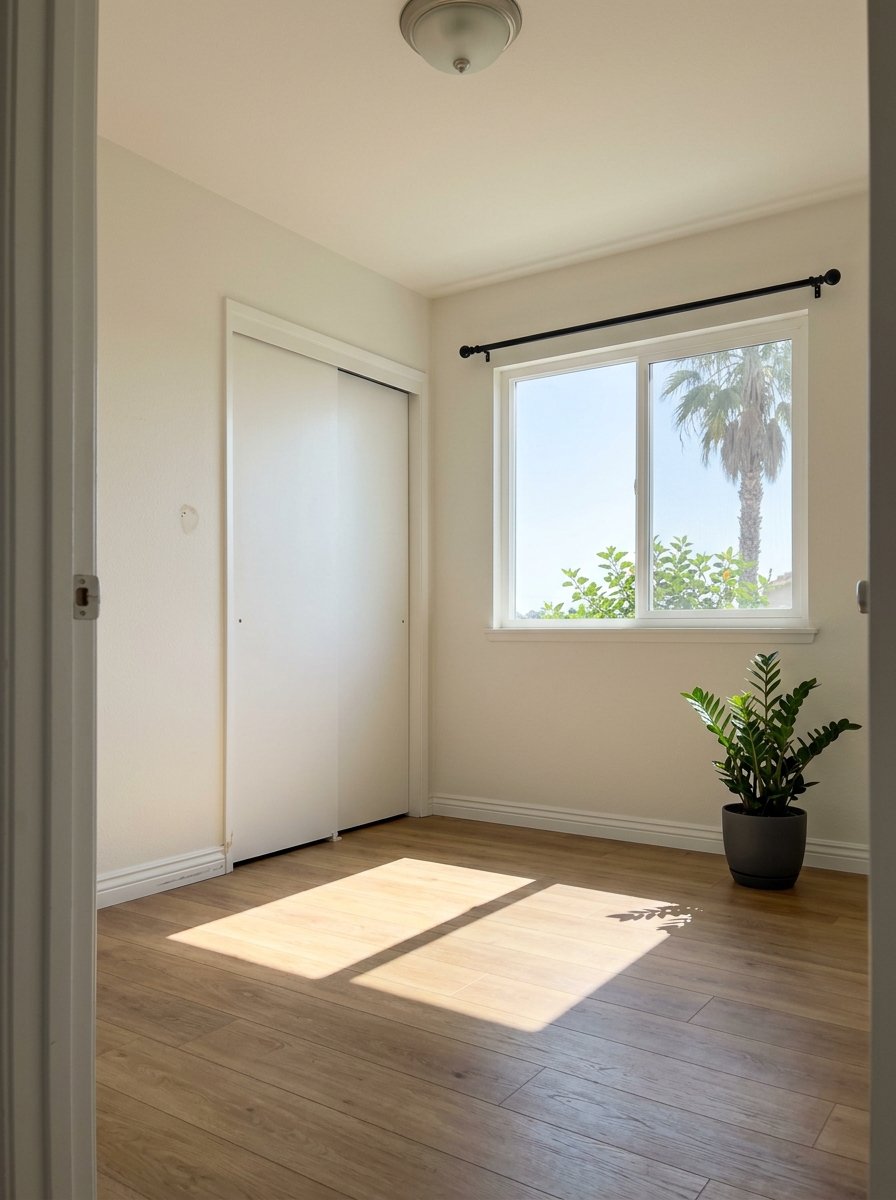
How to Sell Rental Property in Melbourne FL
July 2, 2026
July 2, 2026
If you own an older rental in Melbourne, selling it can feel like a balancing act. You may be weighing repairs, lease timing, tenant coordination, and how quickly you want to move on. The good news is that you usually have more than one workable path, and the right choice depends on your timeline, the property’s condition, and how much effort you want to take on. Let’s break it down.
Melbourne has a mixed housing market, with an estimated population of 87,097, 37,041 households, a 59.7% owner-occupied housing rate, a median gross rent of $1,525, and a median owner-occupied home value of $306,400. For rental owners, that matters because different sale strategies can appeal to different buyers.
An older rental that is vacant, occupied, or sold as-is may attract very different levels of interest. That means your decision is not just about price. It is also about convenience, timing, and how much uncertainty you are willing to manage before closing.
Selling as-is is often the simplest option if the property needs work or you do not want to manage repairs. This route can make sense when you want speed, fewer moving parts, and less back-and-forth with tenants, contractors, or repeated showings.
The tradeoff is that convenience often narrows the buyer pool. Some buyers want a property they can finance conventionally and move into or rent out right away, while others are specifically looking for older homes they can improve.
If you sell as-is in Florida, you still have a duty to disclose known latent material defects in a residential sale. In plain terms, selling as-is does not mean you can stay silent about serious issues you already know about.
If your rental is dated but not a full gut-job, selective updates may help you reach a broader buyer pool. This can include addressing the most visible or functional issues instead of taking on a full renovation.
For older Melbourne rentals, owners often think first about major systems and aging components. If you are considering work on the roof, windows, doors, HVAC, electrical, plumbing, or gas piping, the City of Melbourne requires permits for many repair and alteration projects, and that work is subject to inspection.
That matters for both timing and cost. A project that sounds simple at first can involve permits, scheduling, and final inspections before the property is truly ready for market.
If your tenant is already nearing the end of the lease, waiting may give you a cleaner sale. A vacant property is usually easier to show, easier to inspect, and often easier for buyers to picture as their next home or investment.
This option can reduce friction, but it is not risk-free. Waiting for move-out can also create vacancy, carrying costs, and delays if the unit needs turnover work after the tenant leaves.
For Florida residential rentals, a month-to-month tenancy may be ended with at least 30 days’ written notice before the end of the monthly period. If the lease has a set duration, the notice requirement may be 30 to 60 days if that language is written into the lease.
If speed matters most, an as-is sale may be the cleanest fit. This is especially true if the property has repair issues, deferred maintenance, or a tenant situation you do not want to manage for months.
If you have time and the lease is close to ending, waiting for vacancy may open up more options. If you have moderate time and the home only needs a focused refresh, a pre-listing update strategy may make sense.
Older rentals often have a mix of cosmetic wear and larger system issues. Peeling paint and dated finishes are one thing. Roof, HVAC, window, electrical, and plumbing concerns can change the budget and the timeline quickly.
This is where construction awareness matters. Before you commit to updates, it helps to separate quick improvements from projects that trigger permits, inspections, and bigger expense.
An occupied sale can work, but it requires planning. If your tenant is cooperative and the lease terms are clear, you may be able to market the property while it is still occupied.
If the relationship is strained or access is likely to be difficult, an occupied sale can become stressful fast. In those cases, either waiting until move-out or choosing a simpler as-is path may reduce risk.
Florida law allows a landlord to enter a rental unit to exhibit it to prospective purchasers, mortgagees, tenants, workers, or contractors. The tenant may not unreasonably withhold consent.
For repairs, the statute defines reasonable notice as at least 24 hours before entry, during the hours of 7:30 a.m. to 8:00 p.m. Even when the law allows access, occupied sales usually go more smoothly when expectations are communicated early and clearly.
The practical challenge is not just legal access. It is minimizing disruption while still getting the property sold.
A simple plan can help:
When title changes, any security deposit or advance rent must be transferred to the new owner or agent, along with an accounting of tenant balances. That makes deposit reconciliation part of the sale process.
If your records are incomplete, this can create avoidable delays. It is much easier to clean this up before the property goes under contract than at the closing table.
If the property is inside Melbourne city limits, many construction, alteration, and repair projects require permits and inspections. That includes many jobs involving roofing, windows, doors, HVAC, electrical, plumbing, and similar systems.
If you are trying to sell on a tight schedule, permit timelines can shape your strategy. In some cases, it may be smarter to price the property around its condition rather than start work that delays the sale.
If you are thinking about larger upgrades before selling, tax treatment matters too. The IRS generally treats major replacements like roofs, gutters, windows, doors, and furnaces as capital improvements rather than routine repairs.
That distinction can affect your basis and depreciation records. It can also change the real net result of spending money before the sale.
Selling rental property can create gain or loss based on adjusted basis, and depreciation recapture can apply to depreciation that was claimed or could have been claimed. That is one reason owners sometimes overestimate what a higher sale price will actually mean in their pocket.
Before making major pre-sale decisions, it can help to run the numbers with a tax professional. A modest update plan may be worthwhile, but a bigger project does not always create a better net outcome.
If the unit is occupied, a property manager can help coordinate entry notices, showings, rent collection, and move-out timing around the contract and closing date. That support can be especially useful if you do not live nearby or simply want less day-to-day involvement.
An attorney can be helpful if the lease is unusual, the tenant relationship is strained, or the property involves probate, divorce, title questions, or notice issues. In those situations, a clean sale often depends on getting the details right early.
A tax professional is worth involving when you are comparing repair costs, capital improvements, adjusted basis, and depreciation recapture. If you have owned the rental for years, the tax side may matter just as much as the sale price.
Here is a practical way to frame the decision:
There is no one-size-fits-all answer. The best path is the one that matches your timeline, your property, and the level of effort you want to invest.
If you are trying to decide how to sell an older rental in Melbourne, it helps to talk through the real condition, tenant status, and timing before you commit to repairs or a listing plan. For a straightforward local conversation about your options, connect with Martin Castellon.
Stay up to date on the latest real estate trends.





Get a no-obligation cash offer from Martin — no listings, no showings, no waiting.