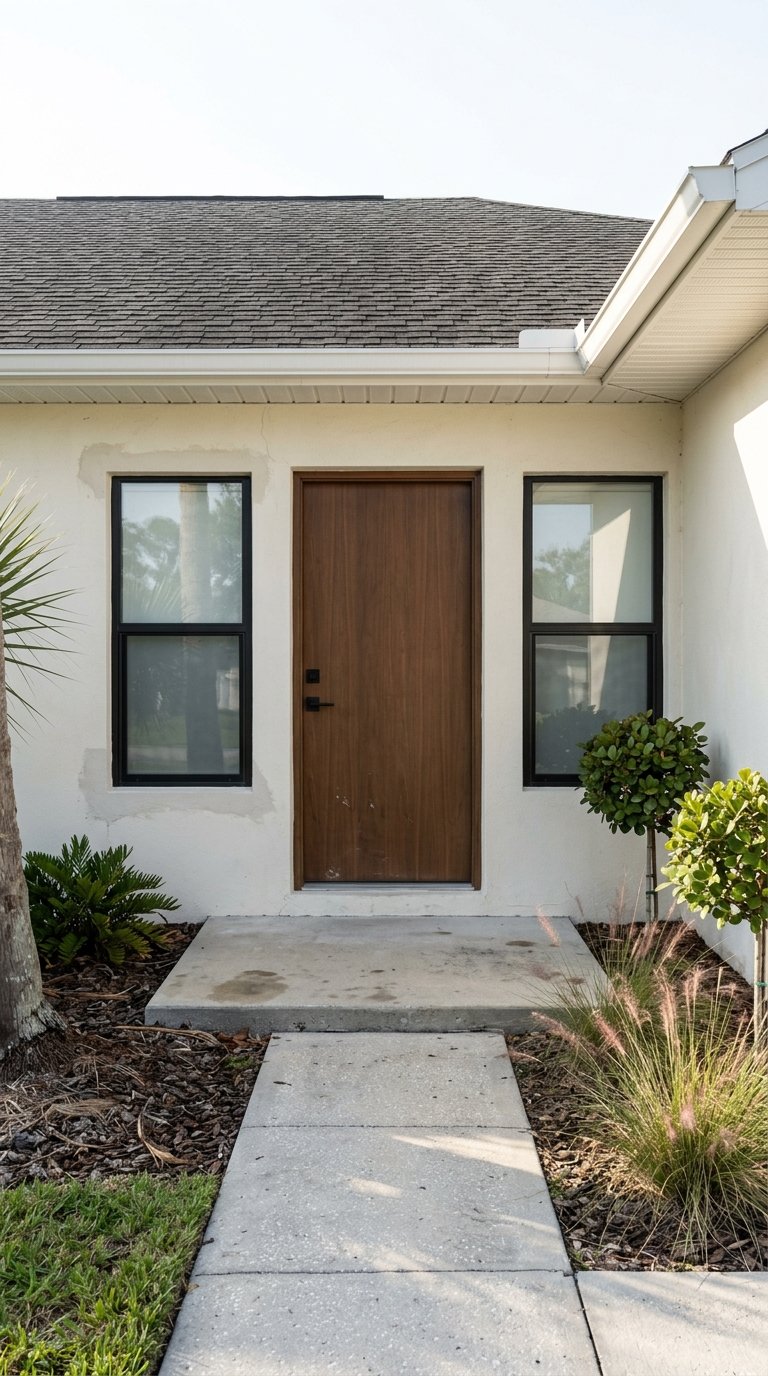
Should You Sell As-Is Or Renovate In Cocoa?
May 14, 2026
May 14, 2026
If your Cocoa home needs work, you may be wondering whether fixing it up will really pay off or just create more stress, delays, and expense. That is a fair question, especially in a market where buyers still care about condition and pricing, and homes are not flying off the shelf overnight. The good news is that you can make this decision with a simple, local framework instead of guessing. Let’s dive in.
In Cocoa, the numbers suggest a market that rewards smart pricing more than blind optimism. Redfin reported a median sale price of $205,000 in March 2026 with average days on market at 52, while Realtor.com showed a median listing price of $336,000, 56 median days on market, and 548 active listings.
At the county level, Zillow reported Brevard County's average home value at $341,312, down 3.1% year over year, with a median sale price of $334,333, a median sale-to-list ratio of 0.972, and 44 median days to pending. Realtor.com also showed about 8,200 properties for sale across Brevard County and 66 days on market. Put simply, condition still matters, but over-improving a home does not guarantee a big return.
Selling as-is does not mean you can ignore known issues. It means you are offering the property in its current condition and are not agreeing up front to make repairs before closing.
Florida sellers still have disclosure duties. Under Florida law, residential sellers must provide a flood disclosure at or before contract execution, including whether they know of flooding, flood claims, or FEMA assistance, and the form reminds buyers that homeowners insurance does not cover flood damage.
Florida case law also requires a seller to disclose known facts that materially affect value when those facts are not readily observable and are not known to the buyer. So if you sell as-is in Cocoa, you may reduce prep work, but you do not erase your obligation to disclose known material defects or flood history.
An as-is sale is often the better fit when your home needs major work, your timeline is tight, or you want certainty more than a potentially higher headline price. This can be especially true if the house is inherited, outdated, vacant, or difficult to manage.
In Cocoa, this choice becomes more attractive when needed repairs involve systems that can trigger permits, inspections, and delays. That includes work tied to the roof, windows and doors, electrical, plumbing, HVAC, siding, or larger renovation items.
If your goal is to avoid months of decisions, contractor coordination, and carrying costs, an as-is path may give you more control. For many sellers, the real value is simplicity: one walkthrough, a clear offer, fewer unknowns, and a closing timeline that can move quickly.
Renovating can make sense when the work is limited, the budget is predictable, and the expected resale price clearly covers the total cost of improvements. The key word is clearly.
In Brevard County, values were down 3.1% year over year, and the median sale-to-list ratio was 0.972. That means you should be conservative when estimating what updates will add to your final sales price.
A cosmetic refresh may be worth considering if the home is structurally sound and only needs lighter improvements to show better. But if you are dealing with older systems or deferred maintenance, the numbers can change quickly once permits, labor, and time are added in.
One of the biggest mistakes sellers make is budgeting for renovation based only on labor and materials. In Cocoa, permit fees, plan review costs, inspections, possible reinspections, and scheduling delays can all affect your bottom line.
Inside Cocoa city limits, the Building Division enforces the Florida Building Code, state statutes, and city ordinances. Its fee schedule includes a $25 application processing fee and a $150 plan review fee, and the permit list covers alteration and renovation work, reroofing, electrical, plumbing, HVAC replacement, windows and doors, exterior siding, and related items.
In unincorporated Brevard County, residential renovation permits cover minor repairs, renovations, and alterations such as interior remodels, stucco, and solar roof shingles. The county also states that owner-builders must appear in person, and a Notice of Commencement is required when the job value exceeds $5,000.
That local boundary matters. Before you decide to renovate, you need to know whether your property is inside Cocoa city limits or in unincorporated Brevard County because the permitting office and process may differ.
Not all updates carry the same risk. Cosmetic work like paint, cleaning, and light touch-ups is different from work that affects major systems.
The repairs most likely to change your sell as-is versus renovate decision are usually:
These projects are more likely to involve permits, inspections, and timeline uncertainty. If your house needs several of them at once, the cost and hassle can easily outweigh the benefit of listing after repairs.
The best way to compare your options is to stop focusing on the highest possible sale price and start looking at what you actually keep. A higher list price does not always mean better results.
Use this simple formula for a renovated sale:
Expected repaired sale price
minus repairs
minus permit and inspection costs
minus carrying costs during the project
minus selling costs
Then compare that number to an as-is cash offer or an as-is listing strategy. In Cocoa, where public data show a gap between listing snapshots and closed-price results, this kind of side-by-side comparison is far more useful than chasing a headline number.
If you are still unsure, ask yourself these questions:
If the repairs are heavy, the timeline is tight, or the property has become a burden, selling as-is is often the more practical choice. If the needed work is limited and the numbers hold up after all costs, renovating may be worth considering.
There is no one-size-fits-all answer in Cocoa. Some homes benefit from a targeted refresh before listing, while others make more sense as an as-is sale with a fair cash offer and a shorter path to closing.
The right move depends on your house, your timeline, and your tolerance for risk. What matters most is looking at the real local math, understanding your disclosure obligations, and being honest about how much work the property truly needs.
If you want a straightforward look at both paths, Martin Castellon can help you weigh an as-is cash sale against the likely numbers for a traditional market sale, so you can choose the option that fits your goals.
Stay up to date on the latest real estate trends.


Get a no-obligation cash offer from Martin — no listings, no showings, no waiting.